
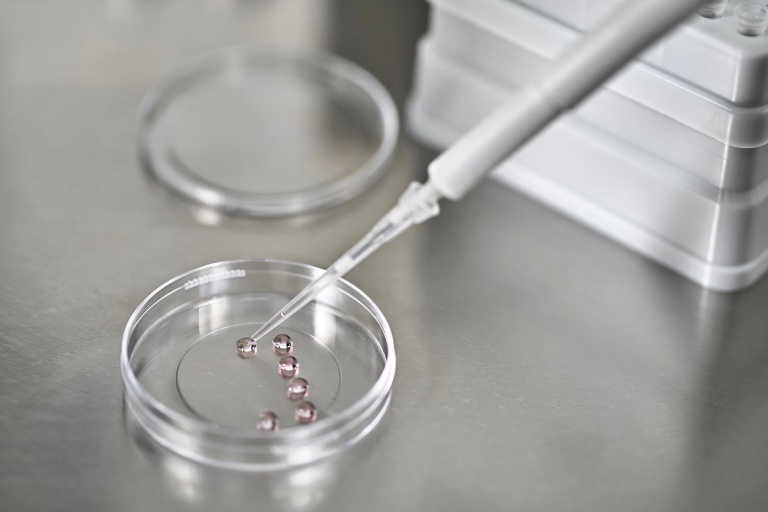
Questions about egg maturity often surface during fertility treatment, especially when results feel unexpected. Hearing medical terms for the first time can stir worry and confusion at the same time. One of the most common questions we hear is: Can immature eggs be fertilized? The answer carries both science and emotion. Understanding how eggs develop and what medicine can realistically support helps you breathe a little easier. This conversation works best when facts feel clear and grounded in care.
What Are Immature Egg Cells
Immature egg cells are eggs that have not completed the final steps needed for fertilization. Eggs develop in stages inside the ovaries, guided by hormones and timing. Early stages are called the germinal vesicle and metaphase one, while the final mature stage is metaphase two. Only eggs that reach this final stage can support normal fertilization and embryo development. During IVF or egg freezing cycles, it is common to retrieve eggs at different stages. This variation reflects how follicles respond, not a problem with your body. Seeing immature eggs on a report can feel alarming, yet it is a routine finding in fertility care and surprises people during their first cycle.
Why Egg Maturity Matters for Fertilization
Egg maturity matters because fertilization depends on precise internal changes. A mature egg has completed chromosome division and is ready to combine genetic material. Immature eggs are still mid-process, which means fertilization cannot happen safely at that point. Think of it like showing up to bake before the oven heats. Timing matters more than enthusiasm. When an egg reaches maturity, it can respond correctly to sperm and support early cell division. Without that readiness, development stops early or never begins. This is why clinics focus closely on maturity rather than total egg count during early consultations and treatment discussions with the care team.
Can Immature Eggs Be Fertilized
Whether immature eggs are fertilized is a question that deserves a clear answer. Immature eggs cannot be fertilized right after retrieval. They lack the internal readiness required to accept sperm and develop normally. Fertilization attempts at this stage would fail or result in abnormal development. This limitation is biological, not a reflection of effort or care. Medicine does offer a possible next step in certain cases. Some immature eggs can continue maturing under laboratory conditions. Fertilization is considered only after maturity is reached. Even then, outcomes vary and require careful evaluation by experienced teams. This process is selective and depends on age, egg quality, and how the cells respond during culture periods managed inside fertility laboratories with close monitoring throughout.
How In Vitro Maturation Works
In vitro maturation is a technique that allows some immature eggs to continue developing outside the body. After retrieval, selected eggs are placed in a controlled lab environment. Hormonal support and timing guide the final steps toward maturity. Once an egg reaches the mature stage, fertilization may become possible through assisted methods. This approach is not used for every patient or every cycle. Success depends on egg health, age, and lab experience. IVM can reduce certain medical risks and offer another option when standard stimulation is not ideal. Results remain less predictable than traditional IVF cycles. Careful counseling helps set expectations before choosing this path for some individuals and situations.
What This Means During IVF or Egg Freezing
Mixed egg maturity often appears during IVF or egg freezing cycles. Medications guide follicles, yet each one responds on its own timeline. This explains why retrieval numbers differ from the number of usable eggs. Mature eggs may be frozen or fertilized, while immature ones need further assessment. Some labs allow a short window for additional maturation before the next steps. Others may decide the egg cannot progress. Hearing lower usable numbers can feel discouraging. It helps to remember that quality shapes outcomes more than raw counts. One healthy embryo can matter more than many uncertain ones. This perspective often brings calm during emotionally charged treatment cycles for intended parents navigating decisions.
Emotional and Practical Questions You May Be Asking
Fertility reports can trigger questions that go beyond biology. You may wonder whether something went wrong or if timing could have changed the result. These thoughts are natural and deeply human. Egg maturity reflects complex physiology rather than personal action. Feeling disappointed does not mean you are losing ground. It often means you care deeply about the outcome. Talking through results with a supportive team can ease mental weight. Clarity replaces assumptions and helps you stay present for the next steps. Space for questions and honest answers can steady emotions during uncertain moments in fertility planning conversations and follow-up visits.
What This Means for Your Next Steps with Confidence
Understanding egg maturity brings clarity to a process that often feels overwhelming. Questions around immature eggs, fertilization timing, and lab options are common, especially during IVF or egg freezing decisions. At Carrying Dreams, we support you through these moments with thoughtful guidance, whether you are exploring egg freezing, IVF coordination, egg donation, or surrogacy planning. We help connect medical facts to real-life choices, so you feel supported rather than rushed. Our role centers on helping you understand your options and build a plan that fits your goals, your timeline, and your emotional comfort.
If you are ready to talk through your questions or explore supportive paths forward, we invite you to connect with our team and start the conversation today.