
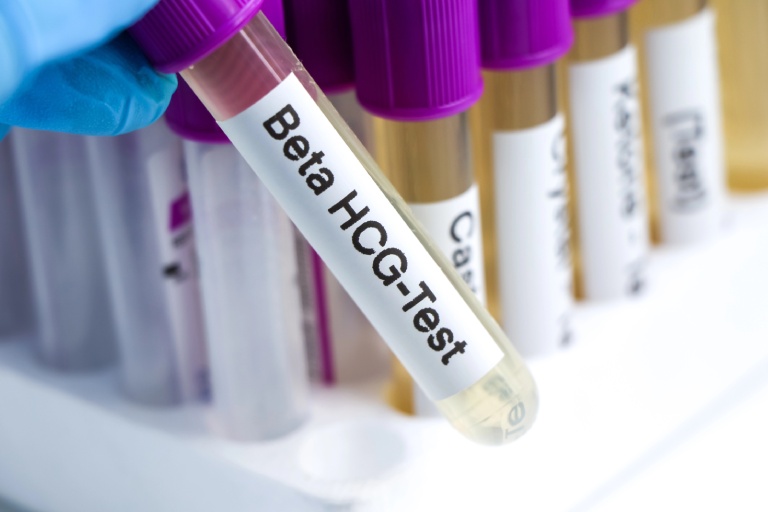
Early pregnancy can feel hopeful and fragile at the same time, especially when blood tests enter the conversation. We often hear how confusing it feels to watch numbers change while wondering what they mean for your future. Questions around nonviable pregnancy HCG levels usually appear during this waiting period, and they can trigger fear even before facts are clear. hCG testing offers helpful signals, yet it works best when viewed with context and patience. This guide is meant to steady the noise and support you through an emotional moment gently.
What hCG Is and Why It Matters in Early Pregnancy
hCG is a hormone produced shortly after implantation that helps support early pregnancy. It signals the body to maintain progesterone, which keeps the uterine lining stable. Blood and urine tests detect this hormone, often before other changes are noticeable. Because levels rise in a predictable pattern for many people, clinicians track them early. We view hCG as one piece of a larger picture rather than a verdict.
Timing matters, since implantation can happen on different days for different bodies and cycles, often now. That timing affects the first hCG reading and how fast early increases appear on paper early there. Fertility care often uses repeat tests to watch movement instead of chasing exact values over isolated moments early on, too. This approach helps reduce unnecessary stress while keeping a close eye on progress during uncertain weeks of monitoring carefully. Understanding this foundation makes later discussions about risk feel more grounded for you overall emotionally today.
How hCG Levels Typically Rise in a Healthy Pregnancy
Early lab results often bring relief mixed with questions about pace and timing. During the first several weeks, levels usually increase every two to three days, which gives providers a reference point for progress. Growth tends to be faster between weeks four and six, when implantation support is most active. After that window, the rate naturally slows even though the pregnancy can remain healthy. This pattern explains why repeat testing matters more than a single early draw. Context helps calm expectations during this stage overall.
Ranges shared online can look alarming because they span wide numbers. Healthy pregnancies may start low, rise modestly, or jump quickly without signaling trouble. Comparison between different people rarely offers clarity since timing and biology vary. Providers focus on direction rather than perfection while monitoring early development. Understanding this rhythm helps you breathe easier while waiting for the next update. Patience during this phase often protects emotional balance and perspective while days feel longer than usual for hopeful families seeking reassurance together.
Making Sense of nonviable pregnancy HCG levels Without Overanalyzing Them
Waiting between blood draws can feel longer than it actually is. Numbers invite interpretation, especially when online charts appear simple and decisive. Real life rarely works that way during early pregnancy. Single values reflect one moment rather than a story in motion. Care teams watch trends because biology unfolds over days, not hours. Stress often grows when results are viewed in isolation. Giving results time to develop usually brings clearer answers and steadier emotions.
Searching for certainty can pull attention toward worst-case outcomes. That habit is understandable, yet it rarely helps decision-making. Discussions around nonviable pregnancy HCG levels often miss the wider clinical picture. Ultrasound timing, symptoms, and provider guidance matter just as much. A calm approach allows space for accurate follow-up. Trust grows when information arrives step by step instead of all at once. Support during this phase should lower fear, not amplify it. Time and compassion often change how results are processed emotionally by families.
When hCG Patterns May Signal a Higher Miscarriage Risk
Certain trends can raise concern, even though they never act as a final answer on their own. A slower rise than expected may prompt closer monitoring, especially during the earliest weeks. Levels that plateau across multiple tests can suggest that development has paused. A consistent decline often points toward a pregnancy that is no longer progressing. Providers usually respond by ordering repeat blood work or scheduling imaging. These steps help clarify what the body is communicating over time. The focus stays on gathering enough information before concluding. Careful observation helps prevent rushed assumptions during an already stressful window.
Emotional reactions often arrive before clinical clarity does. Seeing unexpected results can spark fear, even when outcomes remain uncertain. It helps to remember that risk does not equal outcome at this stage. Some pregnancies with concerning trends still stabilize later. Others may confirm a loss, which brings its own need for support and understanding. Open conversations with care teams matter during moments like this. Clear explanations and compassionate pacing often reduce unnecessary anxiety. Having space to process information allows emotions to settle while the next steps become clearer.
Why hCG Alone Cannot Predict Pregnancy Outcome
Early testing can feel decisive, yet pregnancy development rarely follows a single marker. Hormone values shift with implantation timing, lab methods, and individual biology. Small delays in implantation can change early readings without changing viability. Medications and assisted reproduction can also influence early results. Because of these factors, numbers need interpretation within a broader clinical frame. Imaging and symptoms add context that blood work alone cannot provide. Timing matters as ultrasounds require specific milestones to be visible. Patience helps. For clarity. Often.
Clinical decisions rely on patterns paired with follow-up exams and conversations. Providers compare lab trends with ultrasound findings to confirm progress. This layered approach protects against false conclusions drawn too early. It also supports informed choices during uncertain times. Understanding these limits can ease pressure while waiting for clearer signs. Communication remains important, so questions are addressed in real time. Follow-up plans provide structure during emotionally charged periods. That structure can steady expectations. For you. And families everywhere. Seeking reassurance. Together.
Emotional Impact of hCG Monitoring for Intended Parents
Waiting for results can feel heavier than the numbers themselves. Each test often carries hope, fear, and a quiet urge to read meaning into every decimal change. For intended parents, this process can reopen past experiences or bring new worries that feel hard to name. Monitoring may happen in a medical setting, yet the emotional side usually unfolds at home, late at night, or between conversations. It is common to feel caught between optimism and self-protection during this stage. Repeated testing can interrupt daily routines and make time feel stretched. Support from professionals helps, but personal emotions still need space. Permitting yourself to feel unsettled can be grounding. Clear explanations often help restore a sense of control. Compassion toward yourself matters while waiting. Early pregnancy already asks for patience, and testing can magnify that request. Emotional care deserves as much attention as clinical care during this period.
Finding Clarity and Support During Early Pregnancy
Early pregnancy often brings more questions than answers, especially when hCG testing becomes part of the experience. Numbers can offer insight, yet they work best when viewed as part of a broader clinical and emotional picture. Rising, slowing, or changing levels do not tell a full story on their own. Context, timing, and follow-up care shape what those results truly mean. Understanding this balance can soften fear and replace it with perspective. Patience, clear communication, and professional guidance often create steadier ground during uncertain weeks.
At Carrying Dreams, we support intended parents through every stage of the journey, including moments filled with waiting and worry. Our team walks alongside you during early pregnancy monitoring, surrogacy planning, and ongoing care coordination. We help explain medical updates in plain language while keeping emotional well-being front and center. From surrogacy journeys to egg donation programs, our services are built around steady guidance and compassionate connection. You never have to face uncertainty alone when experienced support is close by.
Reach out to us today to talk with our team and explore how we can support your journey with clarity and care.