
Have you ever left an early pregnancy appointment with more questions than answers? Unfamiliar terms, quiet pauses, and careful wording can make your thoughts race long after the visit ends. One phrase people often search for is nonviable pregnancy vs. ectopic pregnancy, especially when results feel unclear or incomplete. Confusion in these moments is natural, and it deserves gentle clarity rather than fear. Let’s talk through ectopic pregnancy in a way that feels human, steady, and supportive.
What an Ectopic Pregnancy Is and Why It Happens
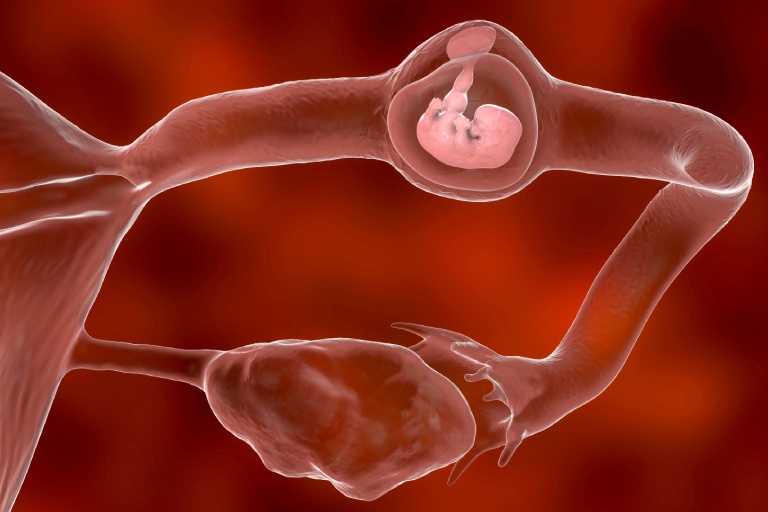
Pregnancy normally begins when a fertilized egg settles inside the uterus, where growth can happen safely. Sometimes implantation occurs elsewhere, which changes the course of that pregnancy right away. The most common site is a fallopian tube, where limited space and blood flow create risk as cells grow. This outcome is not linked to effort, behavior, or missed warning signs. Knowing how this happens often helps release guilt while making room for clearer medical conversations.
Where Ectopic Pregnancies Can Occur
Implantation outside the uterus can happen in several locations, each with its own considerations. Fallopian tubes remain the most frequent site because fertilization begins there. Other locations may include the cervix, ovary, abdominal cavity, or a prior cesarean scar. Advances in imaging allow providers to identify these placements earlier than before. Placement matters because it shapes treatment decisions and recovery planning.
Early Signs and Symptoms You Should Never Ignore
Changes in the body during early pregnancy can feel subtle, which makes them easy to second-guess. Light spotting or mild cramping may appear and disappear, leading some people to assume everything is settling normally. Attention becomes more important when discomfort stays on one side of the lower abdomen or grows more intense over time. Pain that feels sharp rather than dull can signal that something is not progressing as expected. Paying attention to patterns rather than isolated moments often provides helpful clues.
Other symptoms may appear less directly connected to the pelvis but still matter. Dizziness, weakness, or a sudden sense of heaviness can point to internal bleeding and need prompt evaluation. Shoulder pain, especially when lying down, can feel unrelated yet sometimes reflects irritation inside the abdomen. Symptoms do not follow a strict order and may arrive gradually or all at once. Trusting your instincts and reaching out early can make a meaningful difference in safety and care options.
How Ectopic Pregnancy Is Diagnosed
Reaching a diagnosis often takes more than one appointment, which can test patience. Blood tests track pregnancy hormone patterns over time, while ultrasounds look for a pregnancy inside the uterus. When results do not line up as expected, closer monitoring follows. This waiting period can feel emotionally heavy. Earlier detection allows for more treatment options and better safety.
Treatment Options and What Recovery Can Look Like
Care decisions are shaped by how early the ectopic pregnancy is identified and how stable your body feels at that moment. Medication may be offered when the pregnancy is small, symptoms are limited, and there are no signs of internal bleeding. This approach works by stopping pregnancy cells from continuing to grow, which allows the body to absorb the tissue over time. Follow-up blood tests track hormone levels to confirm that treatment is working as expected. Patience is often required during this phase, since progress happens gradually rather than overnight.
Surgical care becomes the safer option when bleeding is present, pain increases, or medication is not appropriate. Procedures aim to protect your health while preserving future fertility whenever possible. Physical recovery may feel faster than expected, especially when complications are avoided. Emotional recovery often follows a different timeline and may surface days or weeks later. Continued medical follow-up supports both physical healing and peace of mind as hormone levels return to baseline.
Emotional Impact and Future Fertility Considerations
Processing an ectopic pregnancy often includes layers of loss, shock, and unanswered questions. Emotional responses may shift from day to day without warning. Many people are able to pursue future pregnancies, depending on individual health factors and treatment history. Conversations about fertility often include timing, monitoring, and emotional readiness. Giving space for both hope and grief supports long-term healing.
Finding Clarity and Support After an Ectopic Pregnancy
Ectopic pregnancy can leave you carrying medical questions alongside emotional weight, and both deserve space. Understanding symptoms, diagnosis, treatment, and recovery helps create a steadier path forward when decisions feel heavy. At Carrying Dreams, we support individuals and families navigating pregnancy loss, future fertility planning, and alternative family-building options with care and transparency. Our surrogacy and egg donation programs are designed for those who need another path forward after complex reproductive experiences. Conversations are guided by compassion, medical awareness, and respect for your timeline.
If you are ready to talk or simply need clarity, reach out to us to explore your options with a team that listens first.