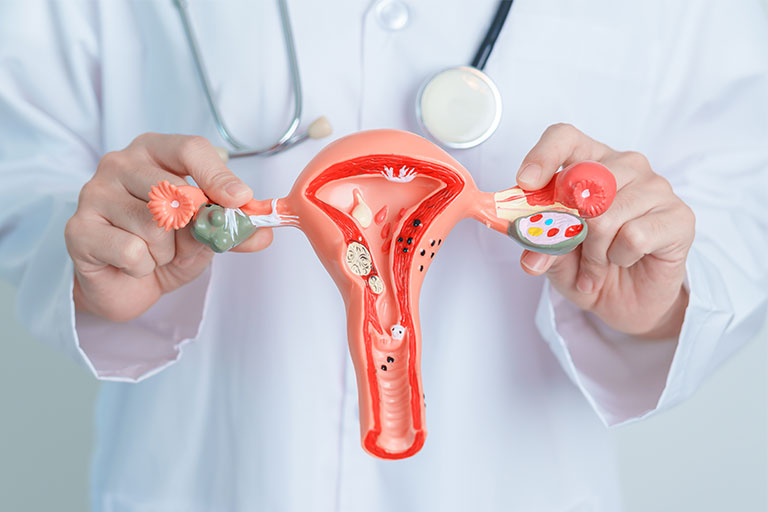
When families begin exploring surrogacy, one question rises above the rest: does a surrogate share DNA with the baby? The fear behind this question is understandable. Genetics feel deeply personal. Intended parents often worry about biological connection, resemblance, inheritance, and legal clarity. At the same time, potential surrogates may wonder about emotional and genetic ties.
Understanding how modern IVF works, how embryos are created, and how pregnancy functions biologically can replace uncertainty with confidence. Today’s gestational surrogacy process is medically precise, legally structured, and genetically clear.
In fact, working with experienced surrogates through established medical protocols helps keeps genetic boundaries clearly defined from the very beginning.
Understanding the Core Question: Does a Surrogate Share DNA?
In gestational surrogacy, the answer is straightforward: no, a surrogate does not share DNA with the baby she carries.
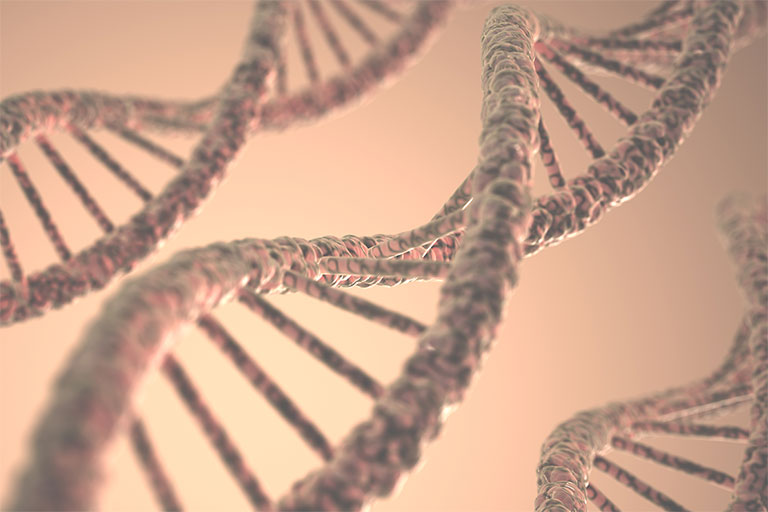
DNA comes from the egg and the sperm used to create the embryo. During in vitro fertilization (IVF), an embryologist fertilizes an egg with a sperm in a laboratory setting. Each contributes 23 chromosomes. Together, they form 46 chromosomes, which make up the embryo’s complete genome. The surrogate does not contribute genetic material at any stage of this process.
The embryo is genetically linked only to the egg provider and the sperm provider. That means the child’s physical traits, inherited characteristics, and genetic predispositions originate exclusively from those two sources.
How IVF Determines Genetic Parentage
To fully understand why a surrogate does not share DNA with the baby, it helps to review how IVF works.
During IVF, ovarian stimulation allows for egg retrieval from the intended mother or an egg donor. A single sperm is injected into each egg in a process known as intracytoplasmic sperm injection. Once fertilization occurs, the resulting embryo contains a complete genetic blueprint formed entirely from the egg and sperm.
After several days of development in the laboratory, the embryo is transferred into the surrogate’s uterus. At this stage, the genetic structure is already complete. The surrogate’s body nurtures the embryo, but it does not alter or add DNA to it.
This distinction is deeply important for intended parents who are concerned about biological connection. The genome, which includes approximately 20,000 genes and billions of base pairs, is fully established before implantation.
Gestational Surrogacy vs. Traditional Surrogacy
Confusion about genetics often stems from misunderstandings about different types of surrogacy.
There are two forms:
- Gestational Surrogacy: The surrogate carries an embryo created from the intended parent’s egg or a donor egg. She has no genetic link to the baby.
- Traditional Surrogacy: The surrogate uses her own egg, meaning she is genetically related to the child.
Today, reputable agencies and fertility clinics overwhelmingly work exclusively with gestational surrogacy due to clearer legal structure and defined biological boundaries. Traditional surrogacy is rare in professional programs because it introduces genetic and legal complexity.
For intended parents, gestational surrogacy offers clarity, security, and peace of mind regarding biological connection.
Does The Surrogate Share Blood With The Baby?
Another common misconception is that even if DNA is not shared, blood might be.
During pregnancy, the surrogate and fetus do not share blood. The placenta acts as a sophisticated filter and exchange system. Oxygen and nutrients pass through the placenta to the fetus, and waste products are transferred back to the surrogate’s body for elimination. However, the blood supplies remain separate.
This biological separation further reinforces that there is no mixing of DNA during gestation. The surrogate nurtures the baby physically but does not genetically contribute.
What About Epigenetics? Can A Surrogate Influence The Baby?
While the surrogate does not provide DNA, she does influence the environment in which the baby develops. This introduces the concept of epigenetics.
Genes are the fixed biological instructions encoded in DNA. Gene expression, however, refers to how those genes are activated or regulated. Environmental factors within the womb can influence how genes are expressed without altering the DNA sequence itself.
For example, maternal nutrition, stress levels, and overall health may affect how certain genes related to metabolism or neurological development function. Research suggests that the uterine environment can influence long-term health outcomes. However, these changes do not alter the baby’s genetic code. They simply affect how existing genes are expressed.
A helpful analogy is this: DNA is the hardware, and gene expression is the software. The surrogate does not change the hardware but can influence how the software operates.
Whose DNA Does The Baby Have?
The baby inherits DNA from:
- The egg provider
- The sperm provider
If the intended mother’s eggs are used, the baby shares her DNA. If donor eggs are used, the baby shares DNA with the egg donor instead.
Families who require donor eggs often explore profiles of qualified egg donors to find a match aligned with their preferences. Even in these cases, the surrogate remains genetically unrelated to the child.
The baby’s physical traits such as eye color, hair texture, height potential, and inherited medical predispositions come from the egg and sperm source only.
Why This Genetic Clarity Matters
Understanding the answer to “does a surrogate share DNA” helps address several major emotional pain points:
- Fear of losing biological connection
- Anxiety about legal parentage
- Concerns about resemblance or inheritance
- Misunderstandings from extended family members
Gestational surrogacy was designed to eliminate these uncertainties. By separating genetic contribution from gestational role, families can move forward with confidence.
Legal professionals also prefer gestational surrogacy because the absence of genetic connection simplifies parentage orders and contractual agreements.
How the Surrogacy Process Protects Everyone Involved
The modern surrogacy process is carefully structured to protect the surrogate, the intended parents, and the baby.
It includes:
- Comprehensive medical screening
- Psychological evaluation
- Legal contracts prior to embryo transfer
- Controlled IVF procedures
- Ongoing medical monitoring during pregnancy
By the time the embryo is transferred, all parties understand the biological and legal framework. The embryo’s genetic origin is documented and confirmed through medical records, eliminating ambiguity.
How Surrogacy Affects the Child Long Term
Children born through gestational surrogacy develop like any other child conceived through IVF. Their DNA determines inherited characteristics. The uterine environment contributes to healthy fetal growth through oxygenation and nutrition.
Studies indicate that children born through gestational surrogacy thrive emotionally and psychologically when raised in stable, loving homes. Transparency about their birth story often strengthens identity and family connection.
Ready To Begin Your Journey With Confidence?
At Carrying Dreams, we walk beside families and surrogates through every step of this life-changing journey. As a full-service US-based agency, we match intended parents from around the world with exceptional US carriers and donors, guiding each medical, legal, and emotional milestone with care and expertise.
If you are ready to explore your options, we invite you to contact us and start building your family with clarity and confidence.