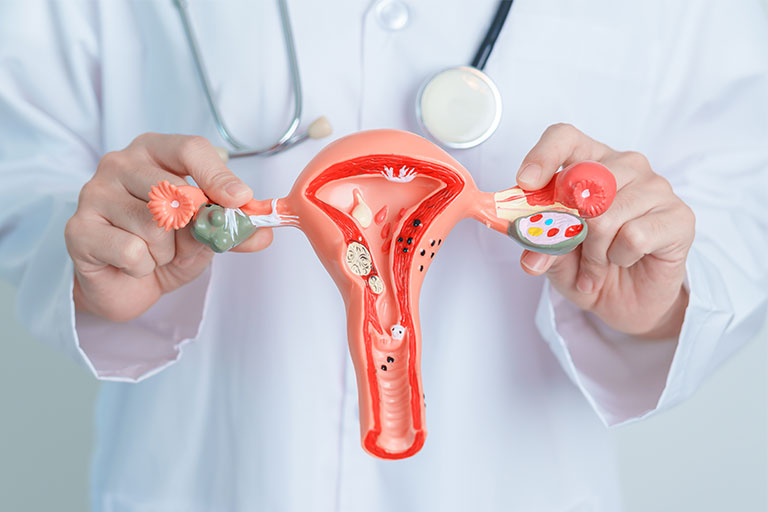

Infertility after a hysterectomy can feel overwhelming, particularly when the dream of having a biological child seems unattainable. Losing the uterus does not always mean that fertility options vanish entirely. Many women retain functioning ovaries and healthy eggs, allowing for assisted reproductive technologies such as IVF to create embryos.
By understanding available options, the process of using surrogates for parenthood becomes clearer, offering pathways for intended parents to pursue family building even after a major surgical procedure.
What Is a Hysterectomy?
A hysterectomy is the surgical removal of a woman’s uterus, commonly referred to as the womb. This procedure may include the removal of the cervix, fallopian tubes, or ovaries depending on the medical indication. Women who undergo a hysterectomy will no longer menstruate and cannot conceive naturally, as the uterus is required for embryo implantation and fetal development.
Hysterectomies are performed for several medical reasons, including severe uterine fibroids, endometriosis, persistent bleeding, cancer of reproductive organs, or life-threatening complications during childbirth. The surgery can be categorized into three main types:
- Subtotal or Supracervical Hysterectomy: Only the upper part of the uterus is removed, leaving the cervix intact.
- Total or Complete Hysterectomy: The entire uterus and cervix are removed.
- Radical Hysterectomy: Removal of the uterus, cervix, surrounding tissues, and sometimes the upper part of the vagina, usually in cases of cancer.
The type of hysterectomy performed directly influences post-surgical reproductive options.
Can You Conceive Naturally After a Hysterectomy?
After a hysterectomy, natural conception is no longer possible because the womb, which serves as the site for embryo implantation and fetal growth, is removed. Even if the ovaries remain intact, producing viable eggs, there is no environment for an embryo to develop.
In rare circumstances, women may experience an ectopic pregnancy after hysterectomy if the ovaries are functional. In such cases, the embryo implants outside the uterus, most commonly in a fallopian tube. This situation is a medical emergency due to the risk of rupture and severe internal bleeding, and it cannot result in a viable pregnancy.
How Ovarian Function Affects Fertility Post-Hysterectomy
Retaining healthy ovaries allows the body to continue releasing eggs and producing reproductive hormones such as estrogen and progesterone. Ovarian preservation plays a fundamental role in determining the fertility options available after surgery.
For women whose ovaries remain intact, eggs can be harvested for future IVF treatments or embryo creation. Doctors may evaluate ovarian volume, perform ultrasounds to locate the ovaries, and assess hormone levels to plan the timing of egg retrieval.
When ovaries are removed during surgery, egg retrieval prior to the procedure can be considered, allowing the use of cryopreserved eggs or embryos in future assisted reproductive treatments.
Options for Parenthood After Hysterectomy
While a hysterectomy removes the ability to carry a pregnancy, there are alternative methods to become a parent. The most common options include:
Surrogacy
Surrogacy is the leading option for women without a uterus to have genetically related children. Using either your own preserved eggs or donor eggs, embryos can be created via IVF and transferred to a gestational carrier. The surrogate carries the pregnancy to term, allowing intended parents to have a child genetically related to them or their partner.
Laws regarding surrogacy vary by country and state. It is advisable to work with an experienced agency to navigate legal, medical, and logistical aspects of surrogacy.
Uterus Transplantation
Uterus transplantation is a complex surgical procedure in which a donor uterus is transplanted into a recipient woman. This allows the recipient to conceive and carry a pregnancy.
Although uterus transplants have resulted in successful pregnancies, the procedure remains highly experimental and carries surgical risks for both donor and recipient. Currently, fewer than 100 uterine transplants have been performed worldwide.
Egg Donation
If ovarian function is compromised or eggs cannot be retrieved, women may consider using egg donors to create embryos. Donor eggs are fertilized with the intended father’s sperm or donor sperm and transferred to a surrogate. This option allows the intended parents to experience parenthood even when their own eggs are not viable.
Adoption
Adoption provides another meaningful path to parenthood for individuals who cannot carry a pregnancy or prefer not to pursue assisted reproductive technologies. While adoption does not involve a genetic connection, many families find it to be a fulfilling and life-changing way to grow their family.
Can You Do IVF After Hysterectomy?
The question, “can you do IVF after hysterectomy?” depends on whether viable eggs or embryos are available and whether a surrogate is involved. Women with preserved ovaries can undergo IVF to create embryos, but the embryos must be transferred to a surrogate, as the uterus is absent.
IVF allows intended parents to use their own eggs or donor eggs, fertilized with sperm from a partner or donor, creating the opportunity for a genetically related child. The IVF process involves ovarian stimulation, egg retrieval, fertilization, embryo culture, and embryo transfer into the surrogate’s uterus.
Success rates for IVF after hysterectomy are comparable to IVF using donor eggs in standard infertility cases, provided the embryos are healthy and the surrogate’s uterus is suitable for implantation.
Considerations After Hysterectomy
Women undergoing reproductive planning after hysterectomy should consider the following:
- Age and Egg Quality: Younger women or those who froze eggs prior to surgery generally have higher success rates for IVF and embryo transfer.
- Hormonal Health: Retaining ovaries maintains estrogen levels, supporting overall health and potential egg production.
- Medical History: Any prior complications or comorbidities may influence treatment plans.
- Psychological Readiness: Emotional and mental health support is vital when navigating assisted reproductive technology after major surgery.
Sexual Health and Hormonal Changes
A hysterectomy can influence sexual function, depending on the type of surgery and whether ovaries were removed. Women with intact ovaries usually retain normal sexual desire, as estrogen production continues. Removal of ovaries may lead to decreased libido, vaginal dryness, and other hormonal changes requiring medical management.
Many women report improved sexual satisfaction after hysterectomy due to relief from pain, bleeding, or other symptoms that previously interfered with sexual activity. Hormone therapy or other medical interventions can help maintain vaginal health and sexual function when estrogen levels decline.
Timing and Planning for IVF and Surrogacy
For women considering IVF after hysterectomy, careful planning is critical. Fertility specialists will evaluate ovarian function, egg quality, and embryo viability before proceeding with embryo creation. Selecting a qualified surrogate with a healthy uterus is the next step in ensuring a safe pregnancy.
Collaboration with an experienced agency helps intended parents navigate legal contracts, medical coordination, and scheduling of IVF cycles. It is important to start planning early, particularly for women over 35 or those with limited ovarian reserve.
Legal and Ethical Considerations
Surrogacy laws vary widely. Intended parents should seek guidance from legal professionals to understand their rights, parental responsibilities, and the regulations surrounding embryo transfer and surrogacy arrangements. Working with a reputable agency helps maintain compliance with local and international guidelines and helps protect both intended parents and surrogates.
Take The Next Step Towards Parenthood
Even after a hysterectomy, parenthood is possible through IVF, egg donation, and surrogacy. While the journey requires careful medical and legal planning, intended parents can achieve their dream of having a child genetically related to them or their partner.
At Carrying Dreams, we guide you through every stage, from egg preservation and IVF to selecting a gestational carrier. Our team helps navigate the surrogacy process, connecting you with trusted surrogates and ensuring a supportive path toward parenthood.
Contact us today to explore your surrogacy options and take confident steps toward building your family.